
Educational robotics




What is educational robotics?
Educational robotics is a multidisciplinary learning approach that uses physical robots, digital programming environments, and AI-powered tools to teach STEM (Science, Technology, Engineering, Mathematics) — and, increasingly, creativity, teamwork, and problem-solving.
It is not just about building robots, but about helping students understand how mechanical systems, electronics, and software work together to create intelligent behavior.
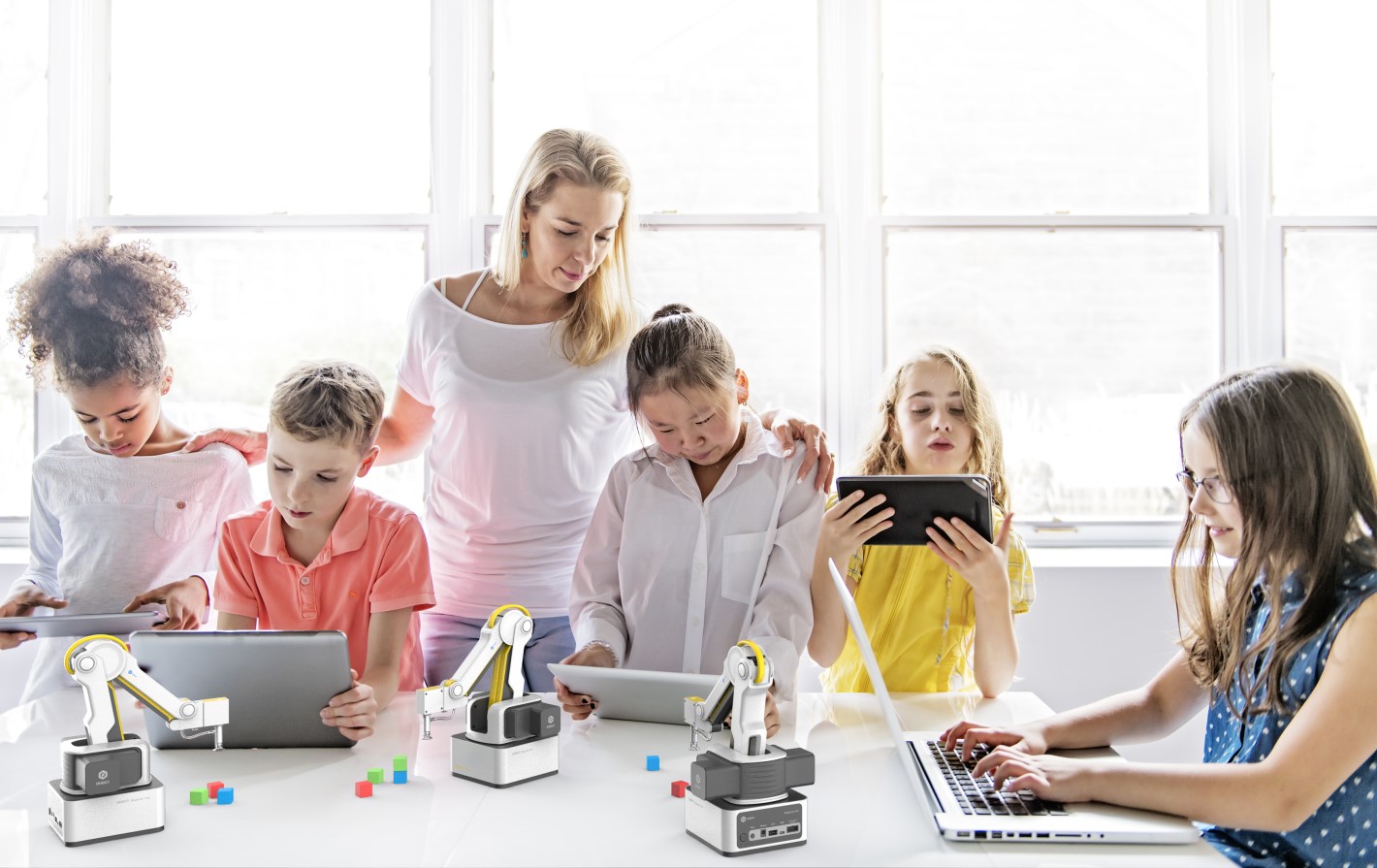
From simple robots that move in patterns to humanoid robots and programmable arms used in vocational schools, educational robotics helps learners progress from intuitive tinkering to professional-level automation and AI literacy.
Main Product Families in Educational Robotics
Mudular kits and building blocks (early to middle grades)
These are the foundation of robotics education. Students use modular components — structural parts, servos, and controllers — to create simple robots and then program them visually.

UBTECH’s uKit Series (uKit Explore, uKit AI, uKit Advanced) offers modular parts, color-coded servo motors, and controllers.
Students can assemble humanoids, cars, or custom robots using plastic parts that interlock precisely. The accompanying uKit EDU app and uCode platform provide drag-and-drop coding based on Blockly and Scratch, making it possible for students to move from visual coding to Python seamlessly.
These kits teach:
Sequential logic and conditional reasoning (loops, if/then)
Mechanicas (levers, torque, balance)
Sensor integration (light, sound, distance)
Wheeled Robots and Self-Balancing Robots
These robots are commonly used in middle and high school to demonstrate movement, navigation, and control algorithms.
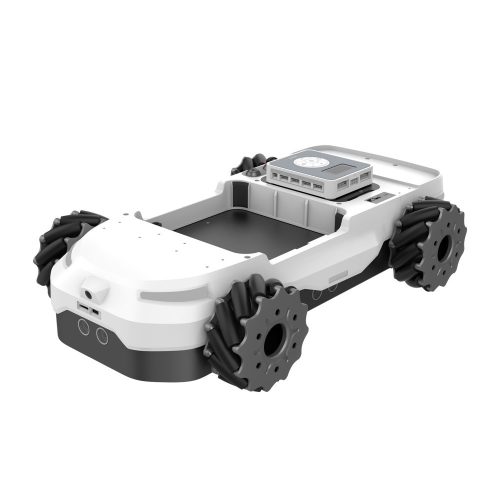
Ultrasonic sensors
For obstacle detection
Infrared sensors
For line-following
Gyroscope/accelerometers
For Balance
Programming exercises teach control theory, feedback loops, and sensor fusion — foundational principles in mechatronics and AI robotics.
Humanoid robots and transformable robots
UBTECH is one of the most recognized developers in this category.
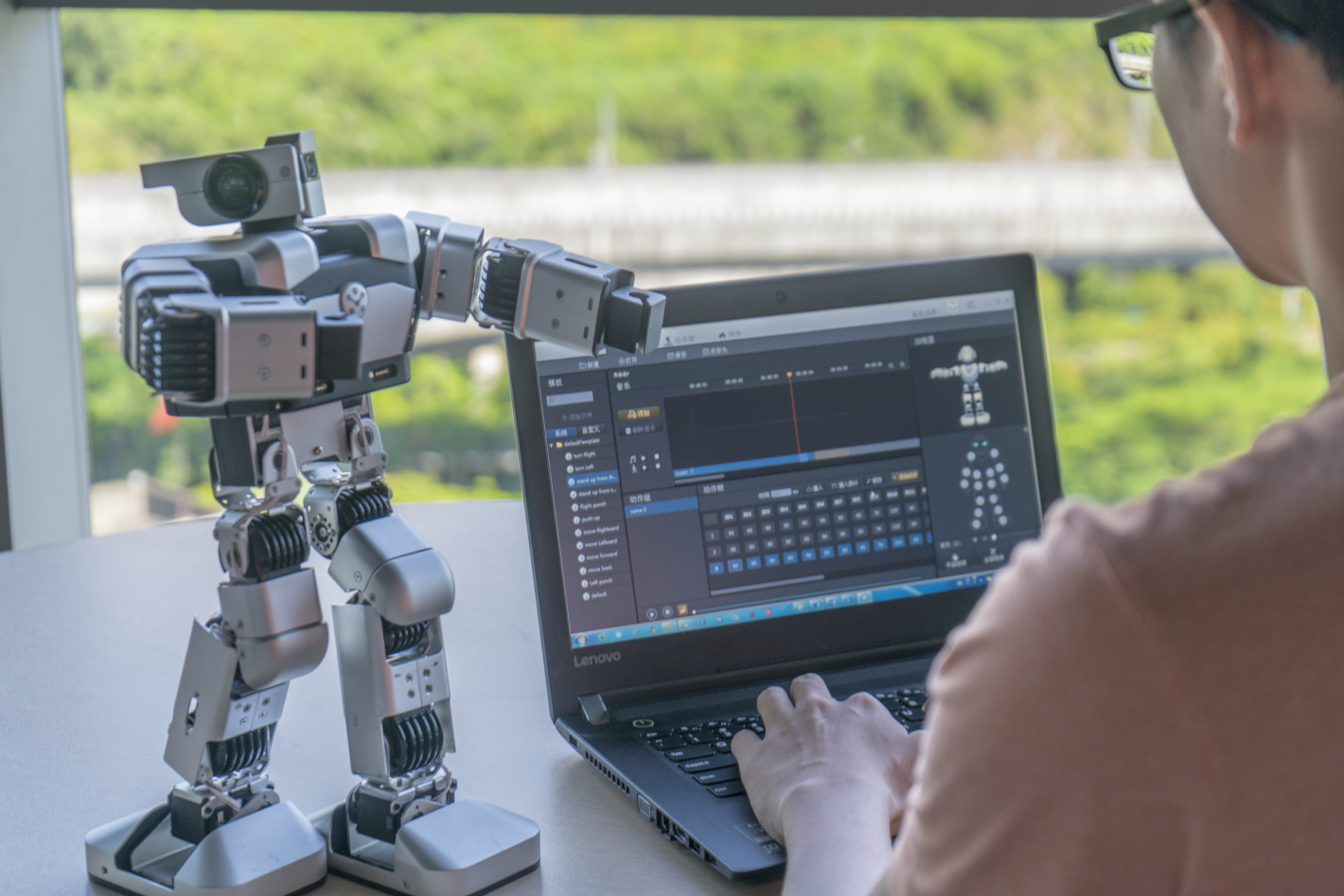
Their humanoid and multi-form robots, such as uKit AI or the Yanshee, allow students to explore locomotion, gestures, and speech.

Servo-driven joints
For human-like motion
Vision sensors
For face/object recognition
Microphones and speakers
For speech interaction
AI modules
That allows integration of voice control and image-based decision making
Students can experiment with machine perception — creating robots that “see” and “respond” — providing an early, intuitive introduction to computer vision and natural language processing.
Desktop robotic arms and manipulators
For high school, university, and technical education, robot arms are central to learning industrial automation.

DOBOT’s Magician is the benchmark example.
It’s a 5-axis desktop robot arm that supports pick-and-place, laser engraving, 3D printing, and drawing.
The Magician includes interchangeable end-effectors (gripper, suction cup, pen, extruder) and multiple programming options — Blockly, Python, C++, and a graphical interface.
It bridges theory and practice:
• Kinematics (how robot arms calculate position and orientation)
• Precision control (using servomotors and encoders)
• Automation sequencing (similar to industrial assembly lines)
• Human–machine interaction (teach pendants, virtual controllers)
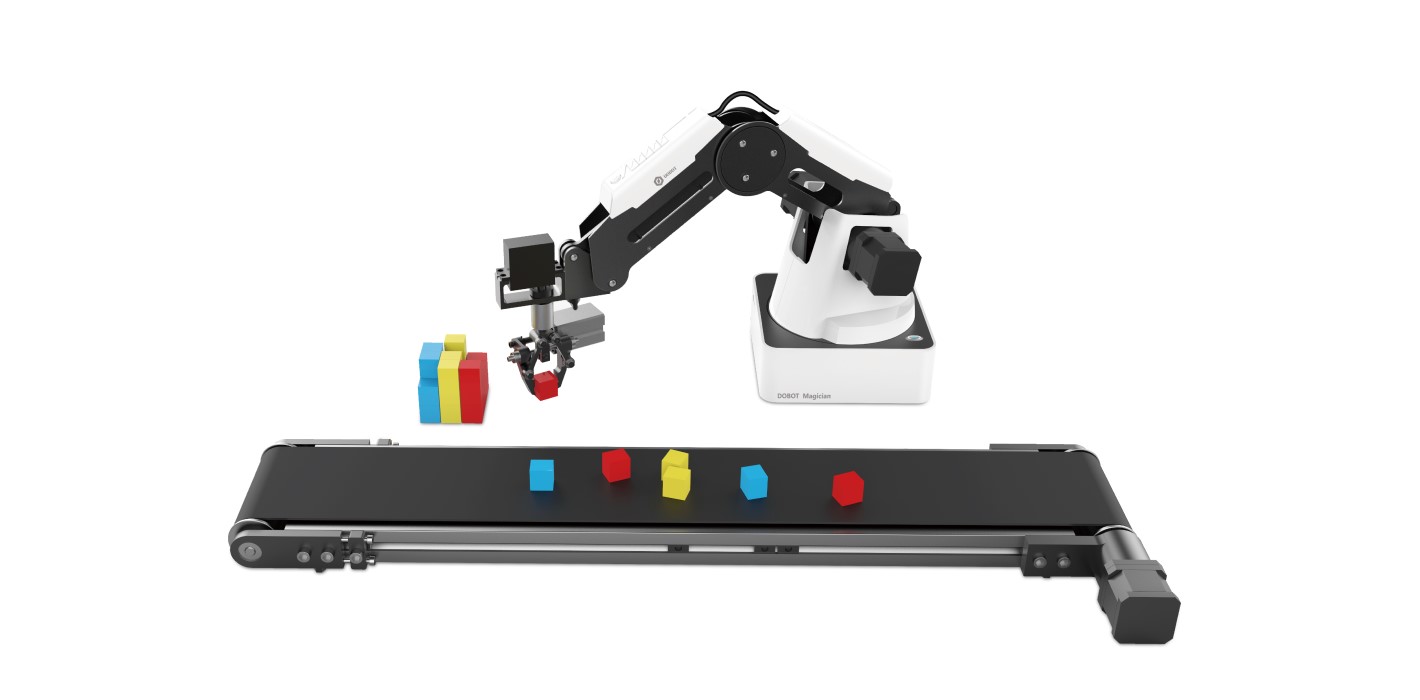
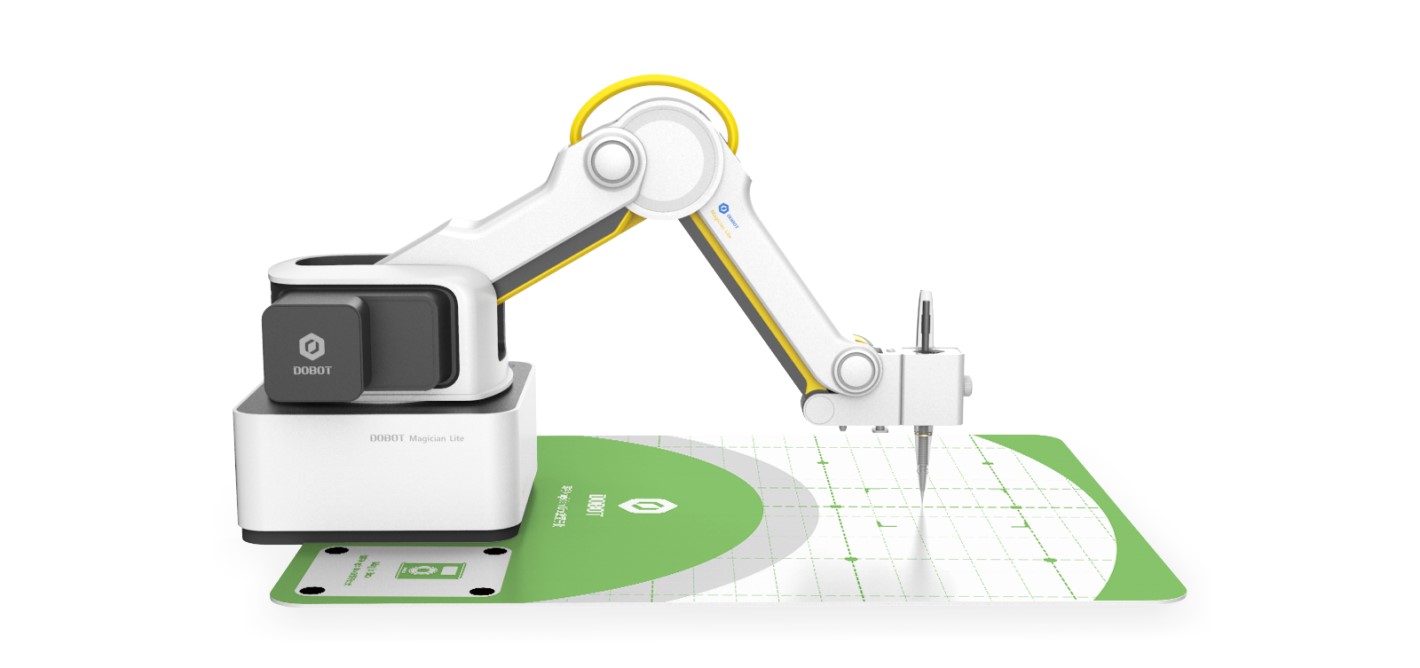
DOBOT also provides Magician Lite (a smaller, safer educational version) and M1 Pro (a SCARA-type arm for advanced vocational and research use).
Simulators and virtual robotics platform
Software simulators complement physical robots. They allow learners to practice coding, sensor logic, and AI scenarios without hardware wear or risk.
DOBOT Virtual Controller and UBTECH uCode online environments simulate robot movement, allowing:
• Programming and debugging virtually
• Viewing 3D simulations of robot motion
• Sharing code with classmates or teachers online
This approach is essential for scaling robotics programs in classrooms and hybrid/remote learning setups.

A processing units ( the robot's brain)


• Microcontrollers (MCUs):
Small chips that handle low-level tasks — reading sensor data and controlling motors.
Examples: Arduino, ESP32, STM32, and UBTECH’s proprietary controllers (Arduino-compatible).
They execute instructions in real time with minimal latency.
• Single-Board Computers (SBCs):
Used for AI and vision-based robots.
Examples: Raspberry Pi, NVIDIA Jetson Nano.
They can run full operating systems (Linux-based) and execute machine-learning models locally (“edge AI”).
In UBTECH’s AI robots, the onboard computer can process camera input for object recognition and gesture tracking directly.


